Fritidshus i Frankrike
5 boenden i det här området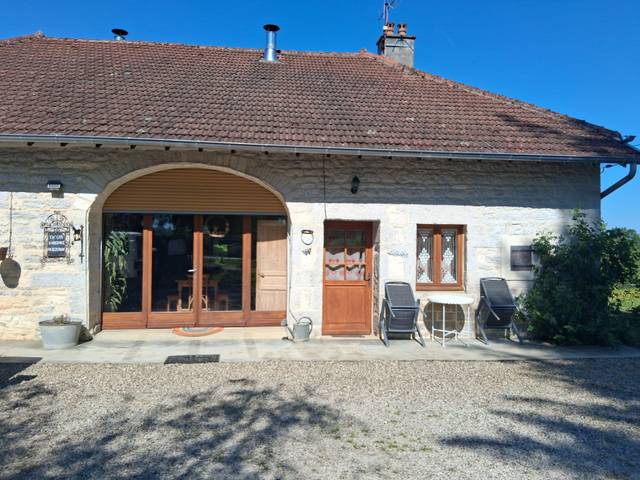
📍 Écleux, Bourgogne-Franche-Comté
45 € / natt
från · per rum
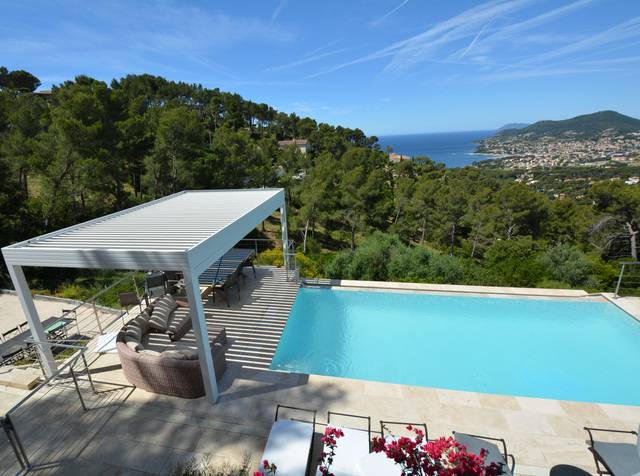
📍 Carqueiranne, Provence-Alpes-Côte d'Azur
500 € / natt
från · exkl. avgifter
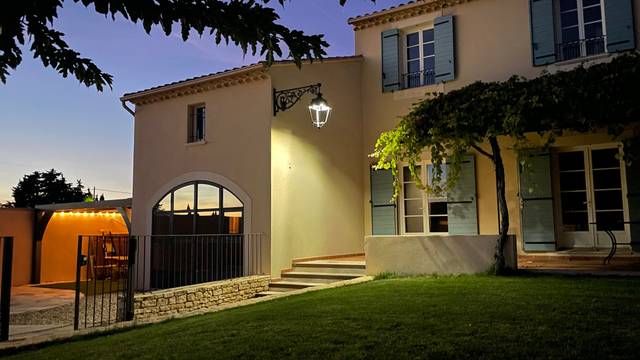
📍 Violès, Provence-Alpes-Côte d'Azur
380 € / natt
från · exkl. avgifter
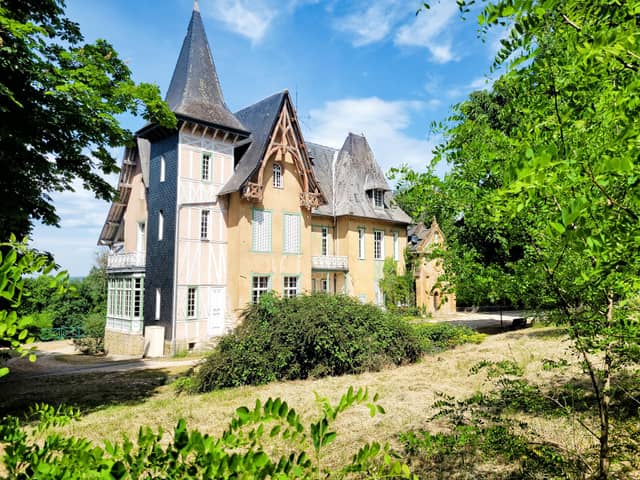
📍 Tannay-le-Mont-Dieu, Grand Est
185 € / natt
från
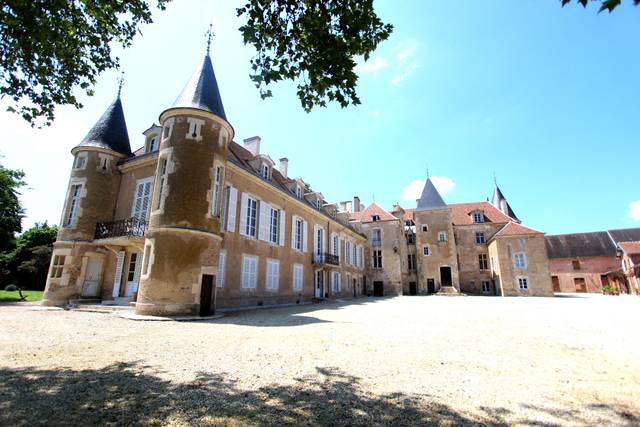
📍 Island, Bourgogne-Franche-Comté
2 000 € / natt
från
France is the country of the gîte and the chambre d'hôtes: a house or a room with someone who lives there or close by, who knows the area and tells you in the morning where the market is. On Rentiday you book these places directly from the owner, from the coast of Brittany to the hills of Provence and from Alsace to the Basque Country. Below you will find a selection of places to stay, the regions that have their own page and what is worth knowing before you travel.
Why a holiday in France
France is big enough to take a different holiday there every year. One country holds the Atlantic coast and the Mediterranean, the Alps and the Pyrenees, wine regions, rivers lined with châteaux and endless quiet countryside. Coming from the Netherlands or Belgium, the north is half a day's drive away and the south a long day, on toll roads that keep moving.
What sets France apart is the way you stay. A chambre d'hôtes is a room in the owner's home, with breakfast included, and often you can join the table in the evening for a table d'hôtes with what the region has to offer. A gîte is a house or part of a farm that you have entirely to yourself. Both are usually run by people who live there or look after the house themselves, and you notice it in the tips you get.
Travelling in July or August means sharing the road with the whole of France. If you can go in June or September, you get the same region with quieter villages, less crowding at the markets and often still warm weather, especially in the south.
The regions: coast, mountains and countryside
In the north-west lie Brittany and Normandy, with rocky coasts, tides and fishing villages, and Mont-Saint-Michel on the border between the two. Along the Loire, in Centre-Val de Loire, the well-known châteaux stand between Orléans and Tours, and the Loire à Vélo cycle route follows the river for hundreds of kilometres. Bourgogne-Franche-Comté is the region of vineyards, canals and the green hills of the Jura.
In the east, the Grand Est has Alsace with its wine villages, the Vosges for walking and the Champagne region. Nouvelle-Aquitaine is the largest region in the country: the Atlantic coast with the Bassin d'Arcachon and the dunes, the Basque Country on the Spanish border, and inland the Dordogne with caves, castles and markets.
The south begins in Occitanie, with the Mediterranean near Narbonne and Sète, the Pyrenees, Carcassonne and the Canal du Midi. Further east lie Provence with its lavender fields and the villages of the Luberon, and the Côte d'Azur. Auvergne-Rhône-Alpes combines the volcanoes of the Auvergne with the Alps.
Below this text are the regions that have their own page, and the other regions where homes are already listed. On a region page you see only the homes in that region.
Gîte, chambre d'hôtes or holiday home
In France a chambre d'hôtes is a defined term. It means rooms in the owner's own home, at most five of them and for at most fifteen guests, and breakfast is always included. You have your own room, usually with its own bathroom, but you share the house or the yard. That makes it ideal for a round trip or a few nights in one region, and less so for a week in which you want to cook.
A gîte is a holiday home that you have entirely to yourself: an old farmhouse, a stone house in a village or an apartment in a seaside town. You cook yourself and set your own rhythm. Check whether sheets and towels are included; at many gîtes you bring them or rent them on the spot, and that is often not mentioned in the title of the listing.
The listings also include villas with a pool, apartments and now and then a château that lets rooms or a wing. The page of each home says which kind it is, what is included and which costs come on top, so that you do not discover on arrival that breakfast is missing or that the sheets are paid separately.
When to go
The French summer holiday runs from early July to the end of August, and in those weeks half of France heads for the coast. The Saturdays in July and August are the busiest days on the roads to the south; the French traffic service Bison Futé publishes a calendar for them every year. Leaving on another day or at night often saves hours.
In spring French schools break by zone: three zones, A, B and C, each with two weeks at a different time in February and April. If you travel in those periods you notice it mostly in the mountains and on the coast. June and September are the best months for most regions: long days, warm water in the south and few crowds.
Each region also has its own calendar. The lavender in Provence blooms from late June to mid-July. The grape harvest in Burgundy, Alsace and around Bordeaux falls in September and October. In autumn the forests of the Dordogne and the Jura change colour, and in winter the Alps and the Pyrenees are for skiers, while a house with a fireplace in Burgundy or Brittany is then the quietest address.
Practical: the journey and life on the spot
Most motorways in France are toll roads. You pay at the péage with a bank or credit card, or you drive through with a badge that you order beforehand. The speed limit on the motorway is 130 km/h, or 110 km/h in rain. A high-visibility vest within reach and a warning triangle must be in the car. Several large cities have a low-emission zone for which you need a Crit'Air sticker; check before you leave whether that applies on your route, and order the sticker only through the official site.
In the villages shops are often closed at midday and on Mondays, and on Sunday afternoon everything is quiet. The baker is open almost every morning, Sundays included. The market is the place to shop: each region has fixed market days, and the owner of your home knows which ones are worth the trip.
Most municipalities charge a taxe de séjour per person per night. For a gîte, ask beforehand how the cleaning is arranged, whether a deposit is requested and how you get it back. The page of the home lists the mandatory costs separately, and what is not listed you can ask in your request. Dinner is later than in many countries: restaurants usually open for the evening meal only around half past seven.
Booking direct with the owner
On Rentiday your request goes straight to the owner. There is no booking platform in between taking a percentage from the guest or from the host: the host pays a fixed amount per year to show the home, and the price you see is the owner's price. Every home is checked before it goes online.
For a chambre d'hôtes or a gîte in France, that direct contact is worth a lot. If you do not speak French, write simply and say in which language you would prefer an answer. Feel free to ask whether breakfast can be gluten-free, whether you can store bicycles, or whether there is a table d'hôtes on the evening of your arrival.
The price on the card is a from-price per night. Enter your dates and the number of people on the page of a home, and it calculates the stay with the seasons, the minimum length and the mandatory costs. The owner answers in person, usually within a day, and you arrange the payment directly with them; no money goes through Rentiday.
Officiell turistinformation: France.fr · Uppdaterad
Vanliga frågor
What does a holiday home in France cost?
That depends on the region, the season and the type of stay. A chambre d'hôtes charges per room with breakfast included, a gîte per night or per week for the whole house. Every listing shows a from-price per night; the lowest on offer today is 45 €. With your dates the page shows the full amount.
What is the difference between a gîte and a chambre d'hôtes?
A chambre d'hôtes is a room in the owner's home, with breakfast always included, in a house with at most five rooms. A gîte is a holiday home that you have entirely to yourself and where you cook yourself. For a round trip or a short stay a chambre d'hôtes fits, for a week in one place a gîte.
How do I book directly with the owner?
Choose a home, enter your dates and the number of people and send your request. It goes straight to the owner, who answers you in person, usually within a day. After their confirmation you agree the payment and the arrival together. A request is not yet a booking, so you are not committed to anything until you both agree.
Do I pay commission or booking fees?
No. Rentiday charges guests no commission and no booking fees and takes no percentage of the rent. The host pays a fixed amount per year to show the home. What you see is the owner's price, with mandatory costs such as cleaning or the taxe de séjour listed separately.
What must I carry in the car when driving to France?
A high-visibility vest within reach and a warning triangle are compulsory. On most motorways you pay a toll, with a bank card or a badge. For some large cities with a low-emission zone you need a Crit'Air sticker. Order it only through the official French site; other sites often charge several times the price.
Are sheets and towels included in a gîte?
Not always. At a chambre d'hôtes they are provided, at a gîte you often bring them yourself or rent them. The page of the home lists the costs that come on top; if linen is not mentioned, ask in your request. The same question applies to the final cleaning and to a possible deposit.
When is the best time to book a holiday home in France?
For July and August, book in spring, especially for a house with a pool or by the coast. June and September are quieter and cheaper, and you can often still find an address a few weeks before. Keep the French spring holidays by zone in mind: in February and April the mountains and the coast are busier.
Teman
Regioner med egen sida
Även i dessa regioner
Andra länder
Boenden efter antal personer
Hyr du själv ut ett fritidshus?
Lägg ut ditt boende för en fast årsavgift, utan provision på dina bokningar.